
Policy Momentum From 2025 Into 2026
As we begin 2026, we’re reflecting on the significant policy shifts of the past year and the opportunities they create for strengthening pathways for Illinois learners.

As we begin 2026, we’re reflecting on the significant policy shifts of the past year and the opportunities they create for strengthening pathways for Illinois learners.

To ensure every young person is ready for life after high school, EdSystems is working with Southwestern Illinois College and its partner K-12 institutions to establish regional model pathways and robust work-based learning opportunities.

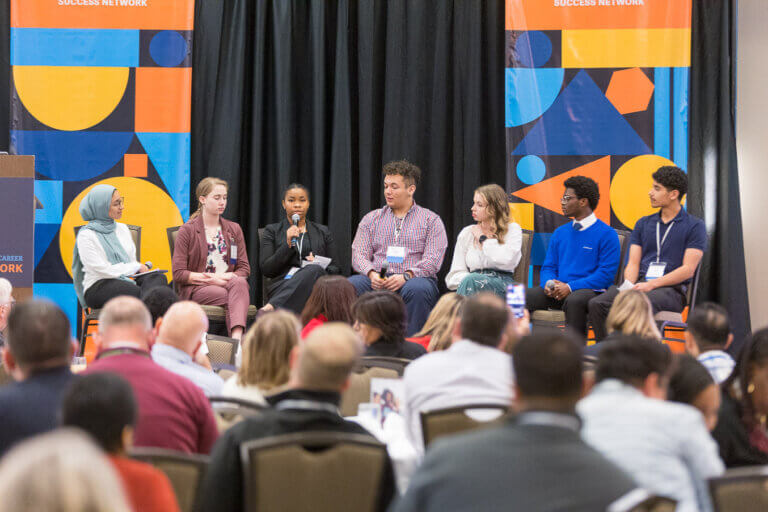
As 2025 comes to a close, the Illinois Education and Career Success Network reflects on a year of growth and collaboration. Learn how communities are working together to build the future we want for Illinois students.

As we complete the target year of the state’s postsecondary attainment goal, what have we achieved, what have we learned, and what should come next?

How can community colleges better support students to access and succeed in pathways-aligned dual credit? Working with College of Lake County and Jobs for the Future, we’re testing an innovative “hub” model that centralizes dual enrollment operations through community colleges to improve outcomes for high-need students.

How do we gather and utilize the right data and tools to ensure our systems are driving the student outcomes that matter the most? That’s the prompt behind the third pillar of our Policy Agenda: Policy Evaluation and Continuous Improvement. Learn more about our aims to address the question.

Access our new report on the Academic Progress Indicator, a student progress measure developed by Chicago Public Schools that represents a significant step forward in how schools and communities can use data to understand and support student learning.

The new release of 2025 school year data in the Illinois Report Card highlights notable progress in some high school indicators, but also identifies ongoing areas of concern in postsecondary transitions and success.

Across Illinois, community colleges are strengthening their commitment to student success by offering new scholarships and supports for high school graduates who complete a College and Career Pathway Endorsement.

What needs to be true about our systems for all learners to reach their full potential? That’s the question we’re focused on in the second pillar of our Policy Agenda, Student Experience and Conditions. Learn more about how we aim to address the issue.

The Success Network Policy Committee is releasing a new memo on the challenges of implementing College and Career Pathway Endorsements (CCPE) and recommending local and systemic solutions.

When systems align around a shared purpose, students succeed. That’s the big idea behind the first pillar of our policy agenda. Learn more about how we’re working to define a north star and align efforts across the education and workforce ecosystem.

How can Illinois make sure every education and workforce dollar delivers results for students, workers, and businesses? By investing in the Illinois Longitudinal Data System (ILDS).

Our new report examines how community colleges across the state are implementing Illinois’ model programs of study in two high-demand sectors: culinary and hospitality, and human and public services. The study examined 48 program submissions from 25 community colleges across rural, suburban, and urban areas.

In partnership with ICCB, EdSystems is releasing a new Companion Guide to the State of Illinois Model Programs of Study, designed to help high schools and community colleges successfully implement and continuously improve their programs of study.

Illinois’ new unified proficiency benchmarks better reflect students’ real readiness for college and careers, but they also raise challenges for schools in tracking growth and improvement over time.

Whether you’re designing a new pathway, scaling up a successful program, or ensuring students graduate with both academic preparation and career direction, our proven resources and professional learning can help you get there.

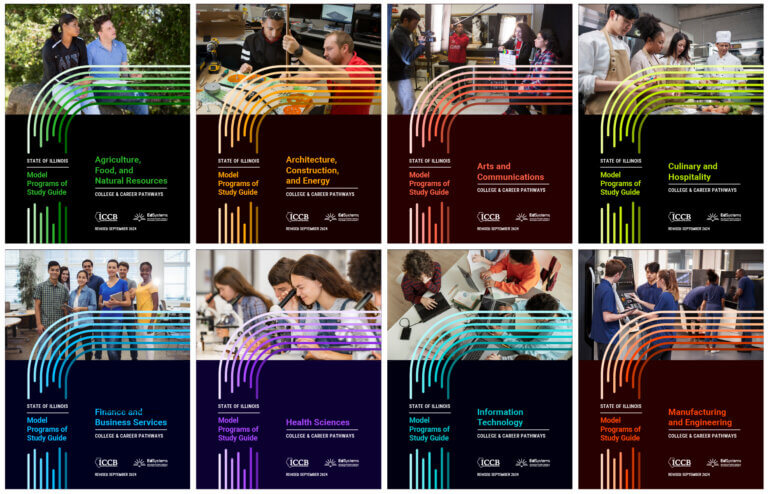
The State of Illinois Model Programs of Study Guides are being updated to reflect growing opportunities in the clean energy sectors. Learn about the changes and share your public comment by June 15, 2025.

What if every student graduated not just with a diploma, but also with college credit and a clear plan for the future? In Lake County, Illinois, this vision is becoming a reality, and it’s raising the bar for what college and career readiness looks like statewide.

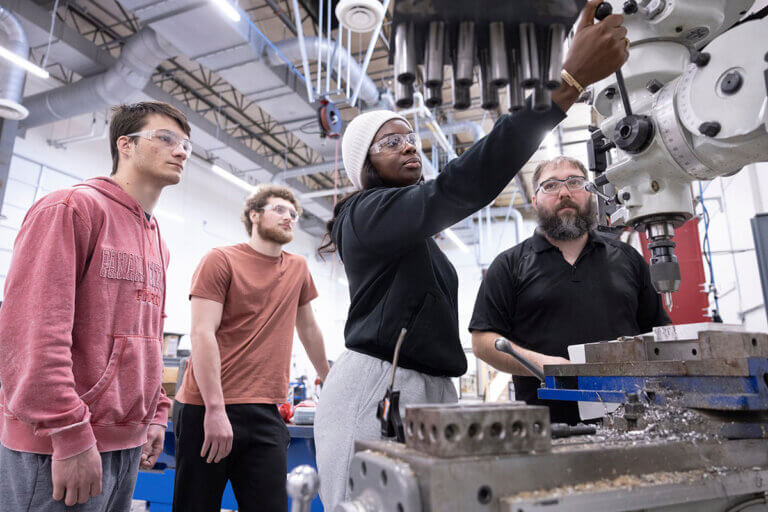
We asked high school students in manufacturing pathways to share what is helping them most, what challenges they face, and what additional support is needed. Our analysis uncovered three areas that are working well and four clear recommendations for schools.

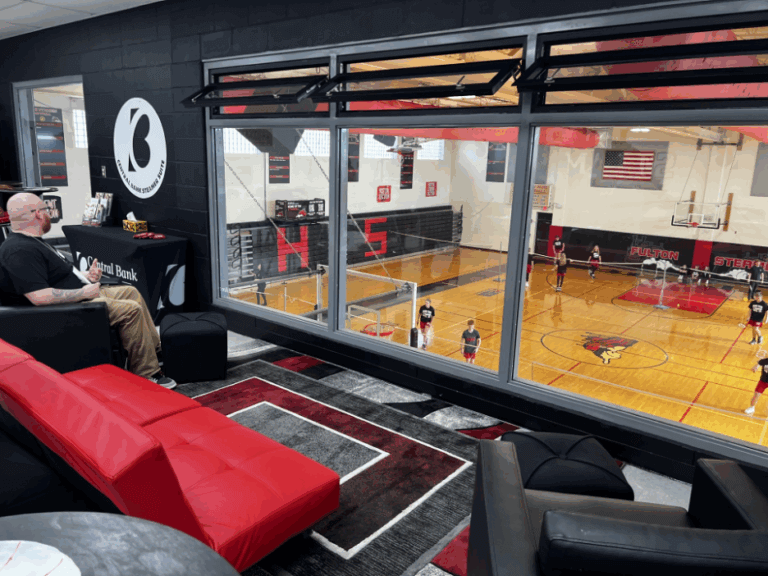
Case Study: Fulton High School’s innovative in‑house work‑based learning model gives students hands‑on experience managing their school’s own event venue—where culinary, business, industrial arts, and media classes collaborate to run the Central Bank Steamer Suite rental space, offering career‑focused skills development in a real-world setting.

Across Illinois, momentum is growing for high school pathways that prepare students for careers in information technology. Through the Accelerated Model Pathways for Information Technology (AMP-IT) initiative, students are gaining access to college credit, work-based learning, and structured opportunities to explore careers in information technology while still in high school.

What if students could earn meaningful credentials in math by demonstrating what they know and are able to do, not just by what they score on a test? That’s the question framing our Illinois Math Badging Initiative. Check out the lessons learned from our pilot in two schools.

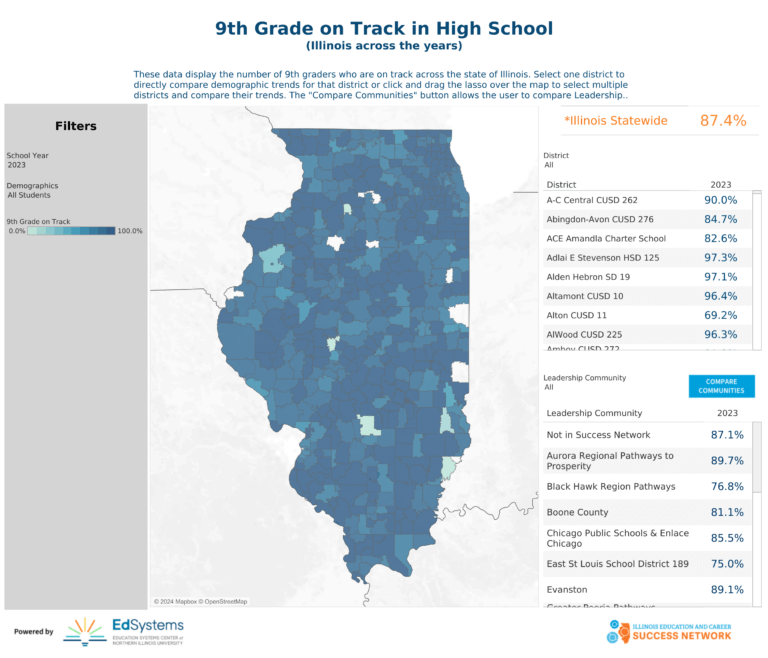
Learn how the communities are using the Success Network Dashboard—which now includes Career and Technical Education participation data—to identify inequities, monitor progress, share best practices, and develop targeted interventions for improving student transitions from high school to post-secondary education and careers.

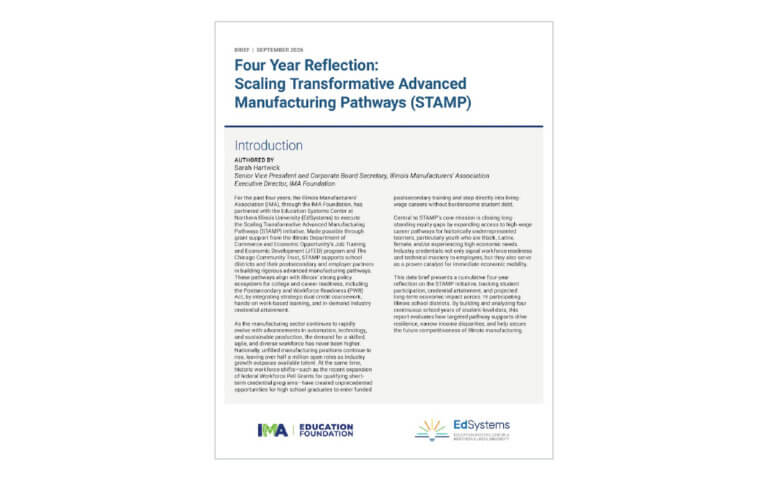
In our latest data brief, “Strengthening the Talent Pipeline through STAMP: Regional Trends in Manufacturing Pathway Participation,” we examines the first three years of the

Can math badges be recognized as credible, stand-alone indicators of student proficiency on a transcript or college application? Explore the findings from our advisory group to the Illinois Math Badging Initiative.

What do students know about the College and Career Pathway Endorsement? What do they need in order to earn an endorsement and transition to college or the workforce successfully? Youth apprentice Massillon Boyd shares his research

A review of education bills relating to building clear, unambiguous paths for leaners plus considerations for how the federal context is shaping state action.

The 2024–25 school year brought fresh energy and bold innovation to the field of work-based learning. From new internal systems and inclusive practices to creative partner outreach and myth-busting conversations, learn what key initiatives, resources, and models communities are utilizing to provide high-quality work-based learning and expand student access.

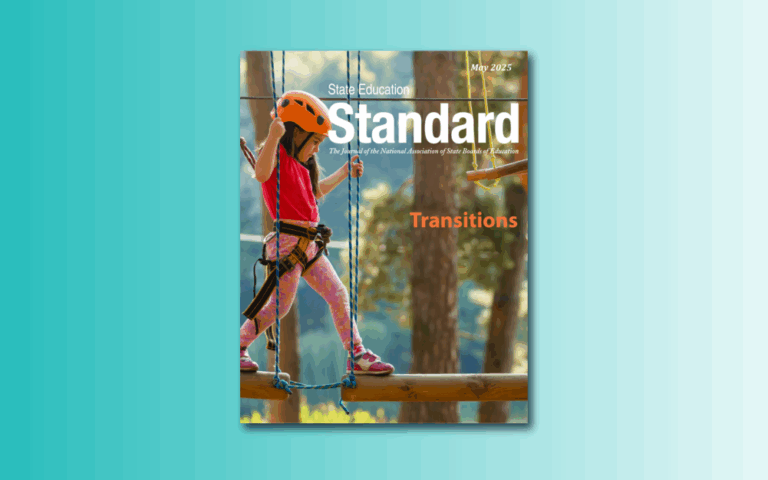
The latest issue of NASBE’s State Education Standard features a deep dive into Illinois’ efforts to prepare students for postsecondary success, written by Policy Director Emily Rusca.

Highlighting exemplars from school district partners across Illinois, EdSystems is releasing a new work-based learning continuum to support college and career pathways in information technology (IT).

Illinois legislators are currently considering a number of education and workforce development bills. In this article, we preview proposed bills with the potential to reform university funding, manufacturing pathways, student placement and transfers, high school requirements, the use of AI, and postsecondary data dashboards.

The Illinois Education and Career Success Network is thrilled to announce Highland Region Pathways to Success and Chicago Southland Collaborative for Education as new Leadership Communities.

Based on interviews with a variety of SLDS and data organization owners across the country, EdSystems is releasing a new cost model tool to support states in the development of their longitudinal data systems.

We asked school leaders across the state how they are recruiting manufacturing pathways students, particularly those who are typically furthest from access. In this article, we share barriers, key strategies, and resources that surfaced.

Governor JB Pritzker presented his proposed 2025–26 budget on February 19, which maintains largely stable funding for K-12 and higher education with modest increases for Career and Technical Education and the Monetary Award Program, building on the past several years of progress and extending several impactful initiatives.

Recent data releases provide reasons for hope and highlight areas of improvement for college and career readiness initiatives in Illinois. Read our analysis and recommendations for improving equitable outcomes.

Spanning local, regional, and statewide work, Education Systems Center’s new policy agenda seeks to increase equitable student access and outcomes

Preview the key education policy topics we’re monitoring as the 104th Illinois General Assembly kicks off and new legislative priorities take shape.

This case study explores how the CareerSpark career exploration model fosters helps students visualize potential career paths and gain insights into regional industries, and facilitates active collaboration between employers, schools, and community-based organizations to navigate recruitment and logistics for the event.

Middle school career exploration programs are designed to introduce young students to a wide range of careers and professional pathways at an early stage. In a new article, we consider the inherent risks of exposing students to career options at an early age and recommend key considerations for designing equitable work-based learning for middle grade students.

Utilizing data to inform policy and programs designs is essential to EdSystems’ mission. Learn about our data principles, vision, and equity-centered approach.

In 2024, the Illinois Education and Career Success Network supported Leadership Communities, launched innovative data tools, and advanced equitable education and career pathways for Illinois students. Explore more key highlights in this year in review.

Learn about community insights on navigating employer partnerships, including growing employer partnerships, balancing paid vs. unpaid internships, and aligning student interests with industry needs.

Learn how students perceive work-based learning opportunities at their schools, what barriers they identify, and how conversations with counselors and administrators helped address those challenges.

Many people assume middle school students are too young for career exploration, but by encouraging self-discovery and exploring real-world challenges, we can help these young people pursue their futures. Here are key considerations for work-based learning in middle school.

New data shows a significant increase in Illinois students earning College and Career Pathway Endorsements, demonstrating the program’s growing success while highlighting areas for continued improvement.

EdSystems is incorporating feedback from our youth apprentices to inform continuous improvement, both immediate and long-term, and ensure the students’ experiences are meaningful. Learn about our strategies, including tools that can be incorporated in any youth apprentice program.

Supported by The Kresge Foundation and the Bill & Melinda Gates Foundation, the network connects national education leaders dedicated to equity and student success. This recognition underscores Dr. Westbrook’s exceptional leadership in advancing education systems and policies.

The Illinois Postsecondary and Career Expectations (PaCE) framework, which empowers districts and students by guiding quality college and career advising and development, is a model for the nation. Here’s why.

Joliet Junior College’s work-based learning continuum in industrial maintenance is generating positive outcomes for both students and industry partners. Check out the best practices from their model.

EdSystems is releasing its second report on the utilization of the State of Illinois Model Programs of Study Guides, focusing on the agriculture, food and natural resources; architecture, construction, and energy; arts and communications; and finance and business services sectors.

In our new analysis of participation data for our STAMP program, we ask: Are students who face the most significant barriers to opportunity obtaining skills that can positively shape their economic trajectories? Do persistence and success through skill-based learning programs differ for students in low-income households?

Our youth apprenticeship program has introduced a new, innovative component to empower young people and drive positive community change while advancing EdSystems’ mission: youth action research.

The Success Network Dashboard redesign is complete, with the launch of six total views featuring 9th grade on track, CTE participation, early college course enrollment, high school graduation, postsecondary enrollment, and community college remediation data.

To support the scaling of College and Career Pathway Endorsements across Illinois, EdSystems is announcing a new quality criteria framework developed in partnership with diverse practitioners across the state, which aims to foster innovation, equity, and continuous improvement.

To help communities enhance their work-based learning programs and ensure equitable access for schools with varying capacities, EdSystems is releasing the new “Scaling Work-Based Learning: Quality Criteria for Continuous Improvement and Equity” resource.

EdSystems, in collaboration with XQ Institute, conducted a six-week virtual micro-internship for high school students, focusing on real-world applications of mathematical concepts. Learn how this model incorporates the development of essential employability skills, including research abilities and effective communication, and can be applied to a variety of settings.

Designing and implementing high-quality work-based learning experiences is challenging, and communities often struggle to find support. The Illinois Work-Based Learning Innovation Network provides a model for peer collaboration by fostering a supportive environment for sharing resources and insights.

What if there was a way to make math education more inclusive, engaging, and responsive to students’ needs? The Illinois Math Badging Initiative is about improving math outcomes while engaging and empowering students to demonstrate their learning in a variety of contexts. Check out our lessons learned in our first two years.

Discover key insights and recommendations on overcoming transportation barriers to work-based learning for Illinois students in the latest memo from the Success Network Policy Committee. This memo outlines student perspectives, district strategies, and systemic solutions to enhance access to work-based learning opportunities.

An introduction to the new Early Childhood Data Hub from Illinois Early Childhood Asset Map (IECAM), powered by the Illinois Longitudinal Data System.

Announcing an update to EdSystems’ mission, vision, and theory of change to better reflect our priorities and ways of working.

EdSystems, in partnership with the Illinois Community College Board, is releasing updated versions of eight of the State of Illinois Model Programs of Study Guides to reflect updated labor market information. Share your public comment on the new drafts.

At EdSystems, we embody our commitment to racial equity and learner preparation through our youth apprenticeship program. As we reflect on our program’s first year, we’re refining mentorship strategies and addressing key questions for improvement, all while preparing for the next cohort.

Why does the State of Illinois need a longitudinal data system? Or to put it more precisely, how does longitudinal data help answer key policy questions? We address these questions in this third post of our Making the Case for the ILDS blog series.

Alongside a statewide advisory, EdSystems has developed high-quality criteria for work-based learning in support of the College and Career Pathway Endorsements framework. The draft resource is open for public comment until May 31.

Given the widespread embrace of College and Career Pathway Endorsements across Illinois, EdSystems has developed a quality criteria framework in partnership with diverse practitioners across the state aimed at fostering innovation, equity, and continuous improvement. The framework and its six components are open for public comment through May 27.

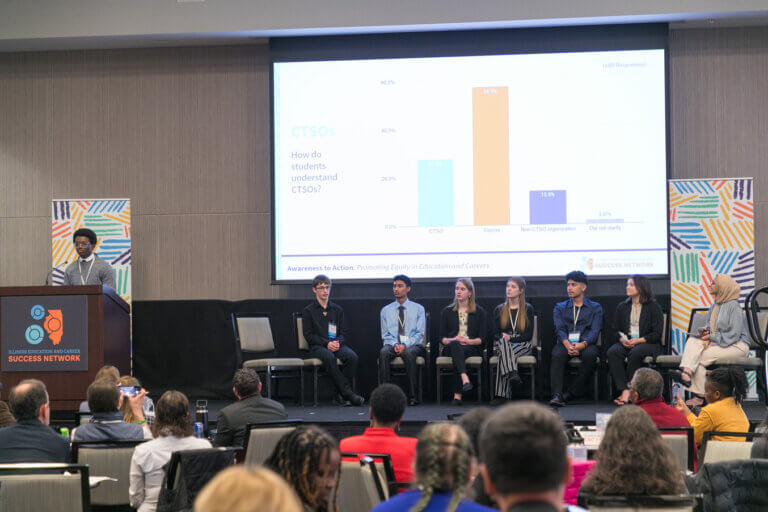
Members of the Success Network Student Advisory Council and the Career and Technical Student Organization Student Board showcased research on dual credit and career and technical education courses statewide and offered recommendations for addressing barriers.

Job shadows offer students an opportunity to engage in hands-on learning and direct industry exposure but pose logistical challenges. Learn how stakeholders are exploring solutions for issues such as teacher buy-in and student interest.

Understanding the potential of Illinois’ Longitudinal Data System (ILDS) to answer complex policy questions can help improve Illinois’ early childhood, education, and workforce systems and outcomes. This is the second post of our Making the Case for the ILDS blog series.

In partnership with Elgin Community College (ECC), we investigated the unique needs of their justice-impacted students. Our research highlights the students’ heightened vulnerability to barriers and the college’s resources. In a new report, we release detailed findings and suggestions to ECC so they can take their next steps in serving justice-impacted students.

Governor JB Pritzker presented his proposed 2024–25 budget on February 21, which maintains largely stable funding for K-12 and higher education with notable increases for Career and Technical Education (CTE) and the Monetary Award Program (MAP), building on the past several years of progress and extending several impactful initiatives.

April 2024 marks the fifth anniversary of recommendations to enhance and improve the Illinois Longitudinal Data System (ILDS) made by the Illinois Education and Workforce Data Task Force to the Illinois P20 Council and Governor’s Office. Learn about the progress in the first post of our Making the Case for the ILDS blog series.

Through the scaling of the GPEAK badging system, a growing number of communities are preparing students for productive lives and careers by developing innovative training programs aligned to Illinois’ essential employability competencies.

To scale manufacturing internships, employers need to better understand how to engage and mentor students under 18. Now, the Illinois Manufacturers’ Association and EdSystems are releasing new one-pagers to guide employers in effectively hosting high school interns while championing equity in placement and career progression.

The Success Network Policy Committee convened a workgroup to explore work-based learning transportation challenges and is now publishing the first of two memos, which shed light on the significant transportation-related barriers students face in accessing work-based learning opportunities. This resource identifies and analyzes challenges impacting in-school youth at the school district, local, and system levels.

In 2023, the Illinois Education and Career Success Network continued to expand its reach and impact through thoughtful convenings, growing the Network, engagement with students, new supports and funding opportunities for Leadership Communities, re-launching the data dashboard, and exploring policy and practice with the Policy Committee.

What are your biggest hopes for artificial intelligence (AI)? How about your biggest fears and worries? In December, the I-WIN community met to reflect on these questions and explore the potential of AI to be a thought partner in the design of work-based learning experiences.

We dive into the latest release of the Illinois Report Card, revealing dynamic shifts in CTE outcomes and a wave of opportunity in dual credit enrollment. We share our perspective on the data shaping the future of college and career readiness for Illinois students.

At EdSystems, our commitment to advancing racial equity and preparing more learners for productive lives extends beyond providing guidance; it’s about embodying the principles we advocate. We recognize the importance of leading by example, which is why the launch of our Youth Apprenticeship program is more than just a new initiative—it’s a testament to our dedication to practicing what we preach.

The key outcome of work-based learning is social capital, and building this valuable asset starts with being able to guarantee this outcome for all students. As a determinant factor in social mobility and overcoming socioeconomic barriers, social capital prepares students for their futures.

The Illinois Math Badging Initiative (IMBI) is piloting an alternative credentialing in math that allows for equitable student outcomes and certifies student learning through a variety of methods. Teach Plus Illinois assembled a group of math educators to understand how IMBI will alter the delivery of math and to provide suggestions to schools for supporting teachers.

At I-WIN’s first in-person event, partners toured Panther Credit Union, an on-site banking and finance work-based learning opportunity at Oswego High School. Heather Penczak details how the career development experience works and its impact on students.

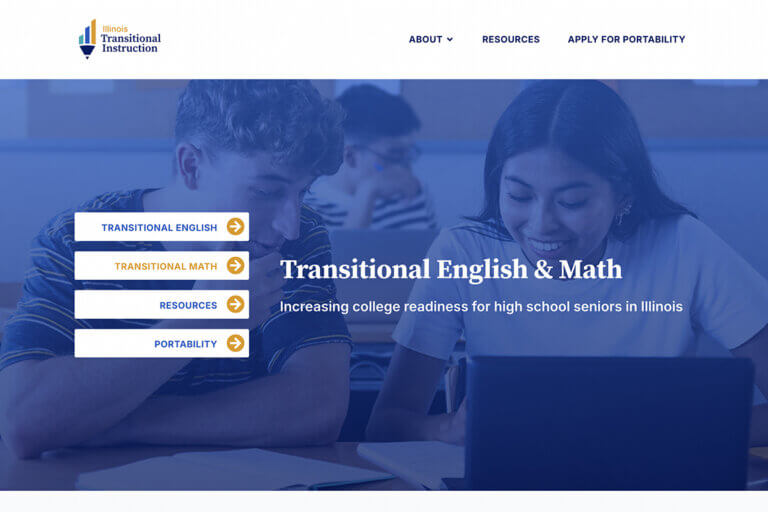
In an era where mathematics forms the backbone of our society, Illinois has taken a significant step toward enhancing college readiness through the implementation of transitional math. Now, EdSystems is releasing a study conducted by researchers from Northern Illinois University which investigates initial implementation, along with a Quick Takes which highlights key findings.

How are the Illinois Model Programs of Study Guides being utilized statewide by community colleges and their high school partners? Are the guides useful in helping regions design high-quality college and career pathways? What additional information and support do regions need to better align with the guides? EdSystems and the Illinois Community College Board seek to answer those questions through our new State of Illinois Model Programs of Study Guides: Utilization Report.

EdSystems has released a three-pronged inquiry into evaluating early pathways into the education profession, as conducted by researchers from the College of Education at Northern Illinois University. It includes (1) an evaluation framework, (2) the feasibility of using the ILDS to analyze outcomes, and (3) a pilot study.

The number of school districts implementing College & Career Pathway Endorsements is increasing exponentially. To support statewide scaling, the Illinois State Board of Education has drafted a set of administrative rules that will soon be open for public comment. In this post, we examine the growth of the endorsement system and share our review of the pending rules, which point to a significant level of momentum in Illinois regarding college and career pathways.

Manufacturing has long been a male-dominated field, but the future of this industry depends on inclusivity and fresh perspectives. We gathered insights from manufacturing experts on supporting young women in manufacturing pathways. This collaborative effort has resulted in a resource that offers practical guidance for students at any stage of their career journey.

Alongside state and local leaders from across Illinois, we have been engaging in a design thinking process as innovation cohort participants of the Launch initiative. Through this process, we are working to identify systems-level barriers to equitable access and outcomes and develop innovative solutions for pressing challenges in postsecondary transitions and success.

Five early adopters—Illinois Valley Community College, Joliet Junior College, Kaskaskia College, Sauk Valley Community College, and Shawnee Community College—are releasing new incentives to Illinois students who earn a College and Career Pathway Endorsement.

At the State Dual Enrollment Academy, the Illinois team learned about developing equitable student supports and shared our state’s extensive work to promote intentional dual credit experiences for students through aligned policy.

Recent wins for Illinois college and career readiness efforts include legislation to improve the Illinois Articulation Initiative for education pathways, plus budget increases for the evidence-based funding formula, CTE, dual credit, student financial aid, and a teacher pipeline pilot.

The Accelerated Model Pathways for Information Technology (AMP-IT) initiative is expanding to 16 additional Illinois high schools, thanks to support from the Bill & Melinda Gates Foundation.
The first-of-its-kind Illinois Career Pathways Dictionary now includes expanded and updated definitions as well as resources and implementation guidance on a new website, pathwaysdictionary.org.

To support the scaling of high-quality IT pathways in response to employer demand, collaborators in our Accelerated Model Pathways for Information Technology initiative designed a three-tier model giving students the potential to earn 30+ early college credits. Check out our blueprint, what we’ve learned, and how we are engaging student voices in the process.

The new Success Network dashboard will equip communities with robust data tools to help regions identify goals and make informed decisions.

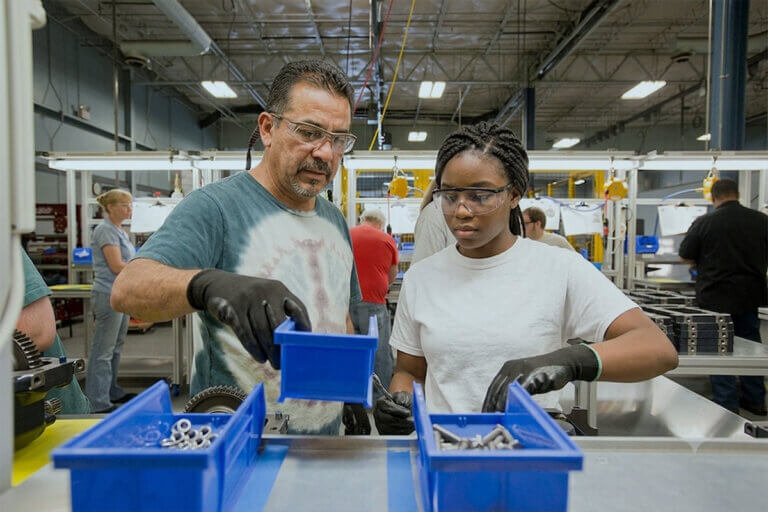
From work-based learning to pathway design to creating currency for students, EdSystems is learning valuable lessons through the Scaling Transformative Advanced Manufacturing Pathways (STAMP) initiative, a partnership with the IMA Education Foundation.

Education Systems Center at NIU is pleased to announce the appointment of Kyle Westbrook as its new executive director. Kyle brings a wealth of experience and a strong commitment to educational equity, making him an excellent fit for the organization’s mission.

What are college and career pathways, and why should employers get involved in training the next generation? In their March 27 edition, Crain’s Chicago Business tackled that question through two articles.