When people think about healthcare, they often picture hospitals, clinics, and medical equipment. But healthcare begins with people: the nurse caring for patients during a long shift, the medical assistant welcoming patients at a local clinic, the respiratory therapist helping a patient breathe easier, and the educator preparing the next generation of healthcare professionals. Access to innovative and effective healthcare depends on strong local partnerships and the dedicated professionals who serve patients every day.
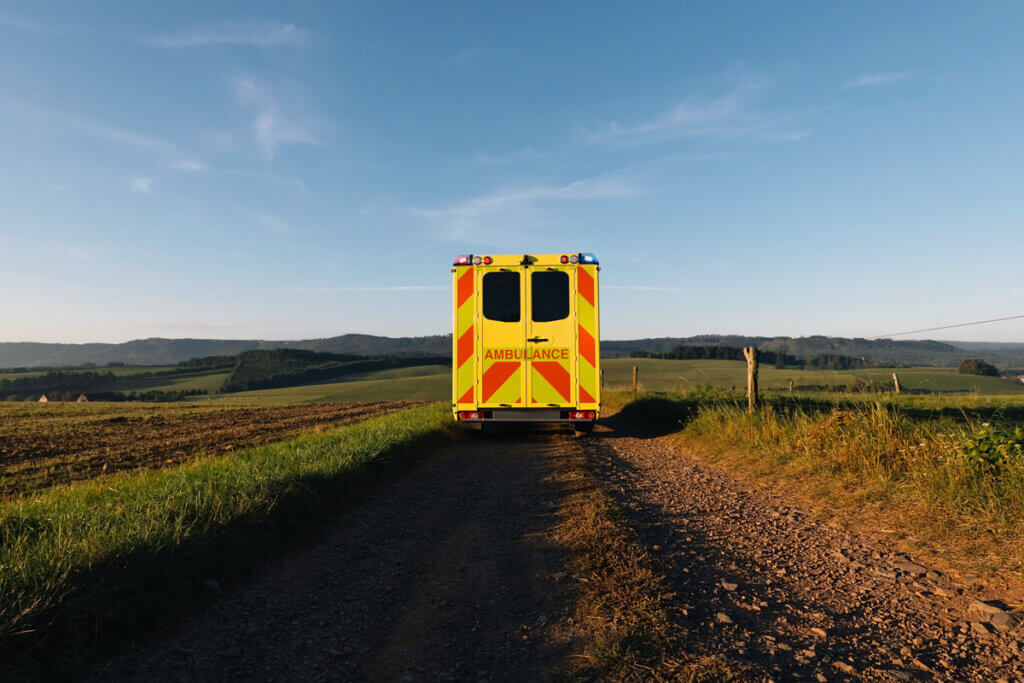
In rural Illinois, healthcare providers, educators, community organizations, and local leaders are working together to address complex challenges facing their communities. From workforce shortages and an aging population to hospital sustainability, transportation barriers, and limited access to specialized care, rural communities often face unique obstacles to achieving positive health outcomes.
Illinois needs a stronger pipeline of healthcare providers who are dedicated and equipped to overcome challenges unique to rural contexts. As healthcare workers retire, demand for services grows, and healthcare systems continue to evolve, rural communities need comprehensive solutions that strengthen both healthcare infrastructure and the people who power it. Addressing these challenges means more than filling open positions. It requires investing in sustainable systems that expand access to care, support innovation, improve health outcomes, and create opportunities for residents to live, work, and thrive in their own communities.
- Statewide Coverage: 85 of Illinois’ 102 counties are classified as rural.1
- Healthcare Infrastructure: More than 1.6 million Illinois residents living in rural areas rely on small and rural hospitals for essential healthcare services close to home.2
- Facilities at Risk: 9 Illinois rural hospitals have been identified as being at risk of closure.3
Investing in the Future of Rural Healthcare
Illinois has received $193 million through the federal Rural Health Transformation Program to support long-term improvements in rural healthcare delivery. This investment will help rural communities address some of their most pressing healthcare challenges, including workforce shortages. Recognizing that a strong healthcare workforce is essential to improving access, advancing innovation, and strengthening rural health systems, the Illinois Community College Board (ICCB) is investing more than $18 million of the Rural Health Transformation award to expand healthcare education and career pathways across rural Illinois. This investment helps rural communities address workforce shortages while creating new opportunities for residents to pursue meaningful healthcare careers close to home. By expanding access to training, certification, and apprenticeship opportunities, ICCB is helping reduce barriers to entry and build a sustainable pipeline of healthcare talent that reflects the needs of rural communities.
To achieve these goals, ICCB is launching two complementary initiatives4 that support the full spectrum of the healthcare workforce:
- REACH (Rural Education, Access, Careers, and Health) will invest approximately $9.3 million to expand professional clinical and allied health programs throughout rural Illinois. Funding will help community colleges increase capacity in high-demand healthcare fields, strengthen clinical learning opportunities, modernize training environments, and prepare more students for careers that are critical to the future of rural healthcare.
- ROOTS (Rural Outreach, Opportunity, Training, and Success) will invest approximately $7.4 million to support healthcare support occupations and frontline healthcare workers. The initiative focuses on creating accessible entry points into healthcare careers while helping incumbent workers build new skills, earn credentials, and advance along career pathways
Together, REACH and ROOTS recognize a fundamental truth: thriving healthcare systems depend on a diverse workforce. From nurses and respiratory therapists to medical assistants, community health workers, and support staff, every role contributes to the delivery of high-quality care and healthier communities.
EdSystems is supporting the REACH and ROOTS initiatives, working at the intersection of education, workforce development, and public policy. Through strategic planning, program design, implementation support, and partnership development, EdSystems will help turn bold ideas into sustainable solutions that improve opportunities for learners, strengthen organizations, and advance communities.
Why Community Colleges Matter
Community colleges are uniquely positioned to lead this effort. In fact, they account for 51 percent of all postsecondary healthcare programs and graduates in allied health, nursing, mental health, and clinical laboratory science nationwide.5
For many rural residents, community colleges provide the most accessible and affordable pathway into healthcare careers. Their deep roots in local communities let them respond quickly to changing workforce needs, adapt programs to meet employer demand, and give students hands-on experience in real-world healthcare settings. These institutions do more than educate future healthcare professionals. They serve as vital connectors between education, employers, and communities, helping build local talent pipelines that strengthen rural healthcare systems from within.
When students can learn, train, and work locally, communities are better positioned to retain talent, address workforce shortages, and build long-term economic and community vitality. By investing in community colleges, Illinois is not only expanding career opportunities for residents but also laying the foundation for a stronger, more resilient rural healthcare system.
Building Stronger Communities
A stronger rural healthcare system means more than filling workforce gaps. It means expanding access to care through telehealth and innovative service delivery models. It means strengthening local hospitals and healthcare organizations. It means creating new educational and career opportunities for residents while improving health outcomes for entire communities. Most importantly, it means ensuring rural residents can continue accessing high-quality healthcare close to home.
As Illinois looks to the future, initiatives like REACH and ROOTS, combined with broader investments in healthcare innovation, care coordination, prevention, and community partnerships, demonstrate what is possible when organizations work together toward a shared goal. By aligning resources and expertise, Illinois is building a more resilient healthcare ecosystem that supports rural communities’ immediate and long-term needs.