One of the biggest misconceptions about career exploration is that it’s about asking a 12-year-old to decide what they want to be when they grow up.
It isn’t.
High-quality career exploration for middle school students is about helping young people discover who they are, what they enjoy, where their strengths lie, and what opportunities exist around them. It’s about expanding possibilities before students begin making decisions about courses, extracurricular activities, work-based learning experiences, and postsecondary pathways.
Growing evidence shows that students want more of these opportunities. Across the country, students consistently report wanting hands-on experiences, authentic connections with professionals, and opportunities to explore careers beyond what they already know through family and friends. Yet many students still experience career exploration as a one-time activity, a checklist requirement, or an isolated interest survey that doesn’t translate into meaningful next steps.
In Illinois, educators, counselors, workforce partners, and state leaders are asking an important question: What would it look like if every middle school student had access to career exploration experiences that are engaging, meaningful, and connected to their future? That question is at the center of an Illinois state team’s participation in the Middle School Career Exploration Impact and Learning Network, supported by Britebound.
Students Are Asking for More
Recent national research highlights a growing gap between what students need and what they are experiencing. According to the Britebound Extending the Runway report, students want career exploration that feels authentic and actionable. They value hands-on experiences such as workplace visits, job shadowing, and opportunities to interact directly with professionals. Many students report learning more about careers from family members than from school, and activities such as career interest inventories often feel disconnected from long-term planning and decision-making.
Conversations on middle school career exploration with educators and community partners through the Illinois Work-Based Learning Innovation Network (I-WIN) reinforce these findings. Stakeholders consistently point to the importance of:
- Engaging families as active partners in career exploration.
- Helping students identify and reflect on their strengths, interests, and aspirations.
- Using student interests to inform career-related learning experiences.
- Increasing awareness of high school CTE programs and opportunities before students make key course selection decisions.
Growing Momentum, Limited Measurement
Students need opportunities to discover their interests and connect learning to their future, and states across the nation have increasingly recognized that need. Today, 92 percent of states dedicate funding to career exploration, and nearly the same share have policies that support or require career exploration activities. More than half of all states now expect students to begin career and academic planning during middle school.1
But an important question remains: How do we know whether these experiences are making a difference for students?
Nationally, only one in five states collects data on middle school career exploration, and fewer than one in six incorporates those measures into accountability systems. As a result, many states can report what students are supposed to experience, but not whether those experiences are meaningful, relevant, or impactful.
This is one of the key challenges and opportunities facing Illinois. To ensure all students have access to high-quality career exploration experiences, we must better understand what is happening today and elevate the approaches that are helping students discover who they are and what is possible for their future.
Building a Shared Vision and Strategy for Illinois Students
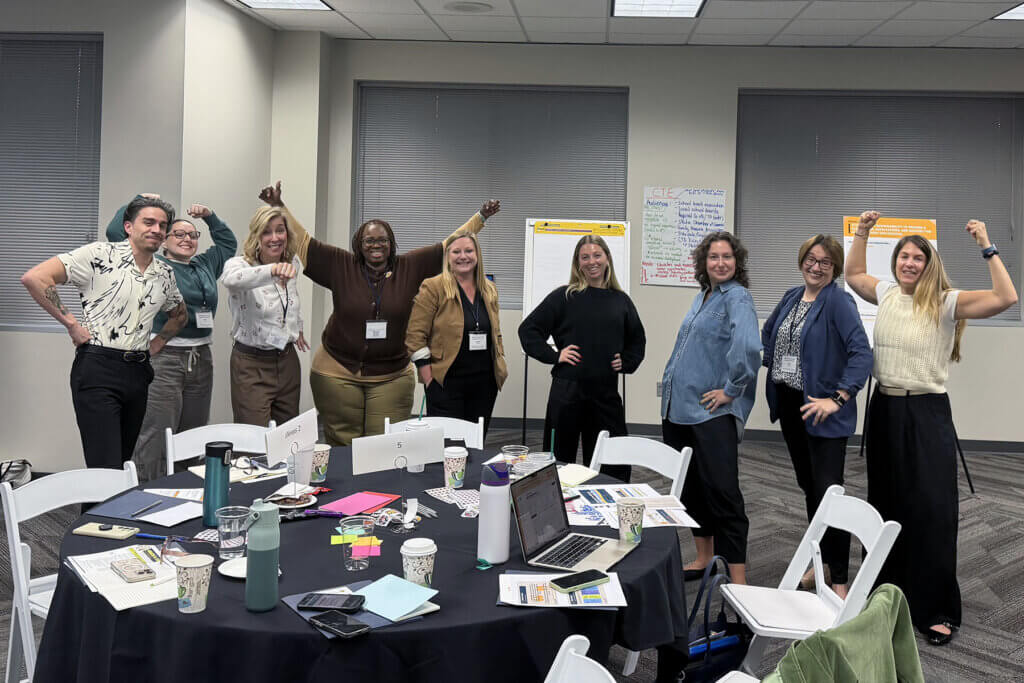
To address these challenges, Illinois was selected to participate in the Britebound’s 2026 Middle School Career Exploration Impact and Learning Network. Led by the EdSystems, the Illinois team is part of a national effort to strengthen and scale middle school career exploration. The initiative positions Illinois as a catalyst state working to reimagine how young adolescents engage with their future careers and educational pathways.
The Illinois team represents a diverse cross-sector partnership that includes:
- Chicago Public Schools (CPS)
- Greater Chicago Advanced Manufacturing Partnership (GCAMP)
- Illinois School Counselor Association (ISCA)
- Illinois State Board of Education (ISBE)
- Illinois Student Assistance Commission (ISAC)
- Success Bound
Together, these organizations are working toward a shared vision: Every Illinois middle school student will experience meaningful, developmentally appropriate career exploration that helps them discover their strengths, explore future opportunities, and enter high school with confidence and purpose.
Illinois’ Core Beliefs
- First, exposure matters. Students deserve opportunities to learn about a wide variety of careers, industries, postsecondary pathways, and professionals. Exposure expands aspirations and helps students envision possibilities they may not otherwise encounter.
- Second, career exploration should be intentional and age-appropriate. Effective experiences go beyond a compliance activity or a one-time career day. They help students connect their interests and strengths to future opportunities in ways that matter to early adolescents.
- Third, every student deserves access. The quality of career exploration should not depend on geography, staffing levels, or local district structures. It should be a shared responsibility supported by educators, counselors, families, employers, and community organizations working together.
The Challenges Illinois is Working to Address
Through the network, the Illinois team identified several systemic challenges that limit access to high-quality career exploration experiences. One challenge is the lack of strong alignment between middle school and high school systems, particularly between middle grades educators and high school CTE instructors. Students often transition into high school without a clear understanding of the pathways available to them.
Another challenge is inconsistent access to support. Variations in counselor staffing and availability of community-based partners can create very different experiences for students depending on where they attend school.
Finally, Illinois currently has no statewide requirement for middle school career exploration. Without that requirement, there is limited statewide data available to understand participation, quality, and outcomes.
Building the Foundation for Statewide Change
To address these challenges, the Illinois team has identified several key strategies. One key opportunity is developing a dedicated middle school career exploration section in the next Perkins State Plan. Establishing statewide expectations can increase visibility, provide a stronger foundation for future funding, and support more consistent data collection and accountability efforts.
The team is also focused on expanding professional learning and implementation supports. This includes increasing awareness and use of the Illinois Postsecondary and Career Expectations (PaCE) framework for grades 6-8, growing access to training opportunities, and elevating middle school career exploration through statewide conferences, webinars, community exemplars, and practical implementation resources.
To better understand whether career exploration is making a meaningful difference for students, the team is also exploring strategies to measure outcomes, such as leveraging existing career planning platforms, embedding common student feedback questions into career exploration activities, and incorporating middle school career exploration into broader data collection and planning processes. Key performance indicators may include:
- Whether students can identify multiple career interests by the end of eighth grade.
- Whether students view their career exploration experiences as meaningful and relevant.
- Whether participation is occurring equitably across student groups and geographic regions.
Looking Ahead
Illinois’ work through the Britebound Middle School Career Exploration Impact and Learning Network goes beyond career awareness. It is about ensuring that every young person, regardless of where they live or which school they attend, has opportunities to discover their strengths, explore their interests, and envision a future that feels attainable.
In the coming months, partners will continue elevating this work through statewide conferences, webinars, and practitioner networks. Efforts will focus on identifying and sharing exemplary programs, expanding connections between middle schools and statewide partners, engaging stakeholders in developing the next Perkins State Plan, and creating tools that help educators understand the impact of career exploration experiences on students.
Ultimately, the goal is simple but powerful: ensure that every Illinois student enters high school with a stronger understanding of themselves, greater awareness of future opportunities, and the confidence to pursue pathways aligned with their interests and aspirations. When career exploration begins earlier and is thoughtfully designed, students are better positioned to make the most of the opportunities available to them throughout high school and beyond.